There is a version of AI data tooling that runs ahead of you. It interprets what you asked, does the work, and hands back a result you have to reverse-engineer to trust. That version demos well and fails in production, because the people responsible for the numbers cannot put their name on something they did not get to check.
This release added the piece that fixes that: the Plan step.
What the Plan step does
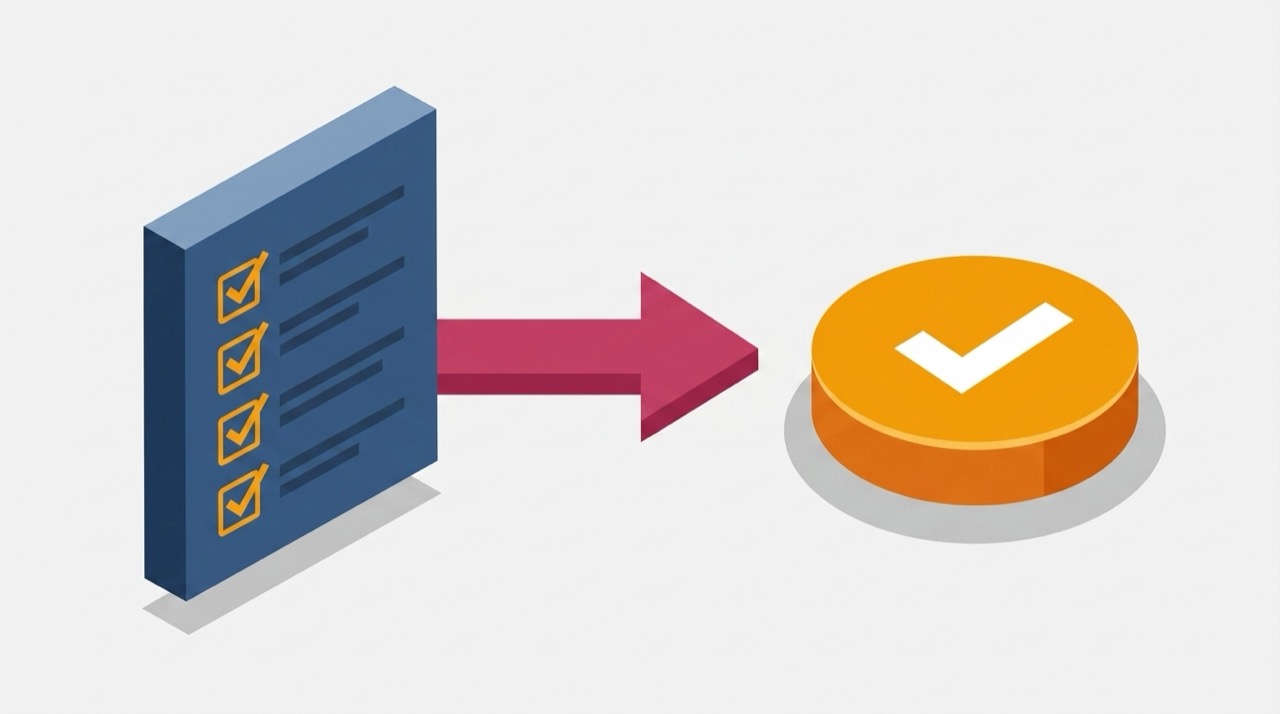
Before Nexadata executes the instructions a model produced, it shows you the plan. You see what it intends to do and why, and you approve it, or you change it, before anything runs. The model proposes. A person decides. The work only happens after that checkpoint.
Paired with it, the release let you write conditional business logic in plain English. The complex rules that used to require chained logic or a script, you now describe in a sentence, and you still get to review how they resolve before they touch your data.
Why this is the unlock, not the brake
It would be easy to read a human checkpoint as friction, something that slows the AI down. I see it the opposite way. The checkpoint is what makes the speed usable.
An enterprise will not hand a black box the keys to its financial data. It will hand that data to a system where a model does the heavy lifting and a named person signs off before the result lands, with full visibility into what the AI decided. The Plan step is how the same workflow becomes both fast and accountable. You get the leverage of AI and the audit trail of a human-approved process.
That is the line we hold across the product. The model reasons, the engine executes deterministically, and a person reviews where it matters. More on that architecture on the platform page.