Every integration platform eventually hits the same wall. It ships a catalog of pre-built connectors, the catalog covers the popular systems, and then a customer shows up with the system that runs half their business and is not on the list. The honest answer in most products is “file a request, wait for the roadmap.”
We did not want to build a catalog. We wanted to build something that could connect to systems we had never seen.
The insight: the system already documents itself
A huge share of modern business software publishes a machine-readable description of its own API, in OpenAPI or OData. That specification lists the endpoints, the parameters, the shapes of the responses, and the authentication the system expects. It is, in effect, a connector that the vendor already wrote and keeps up to date for us.
So the Connector Copilot reads it.
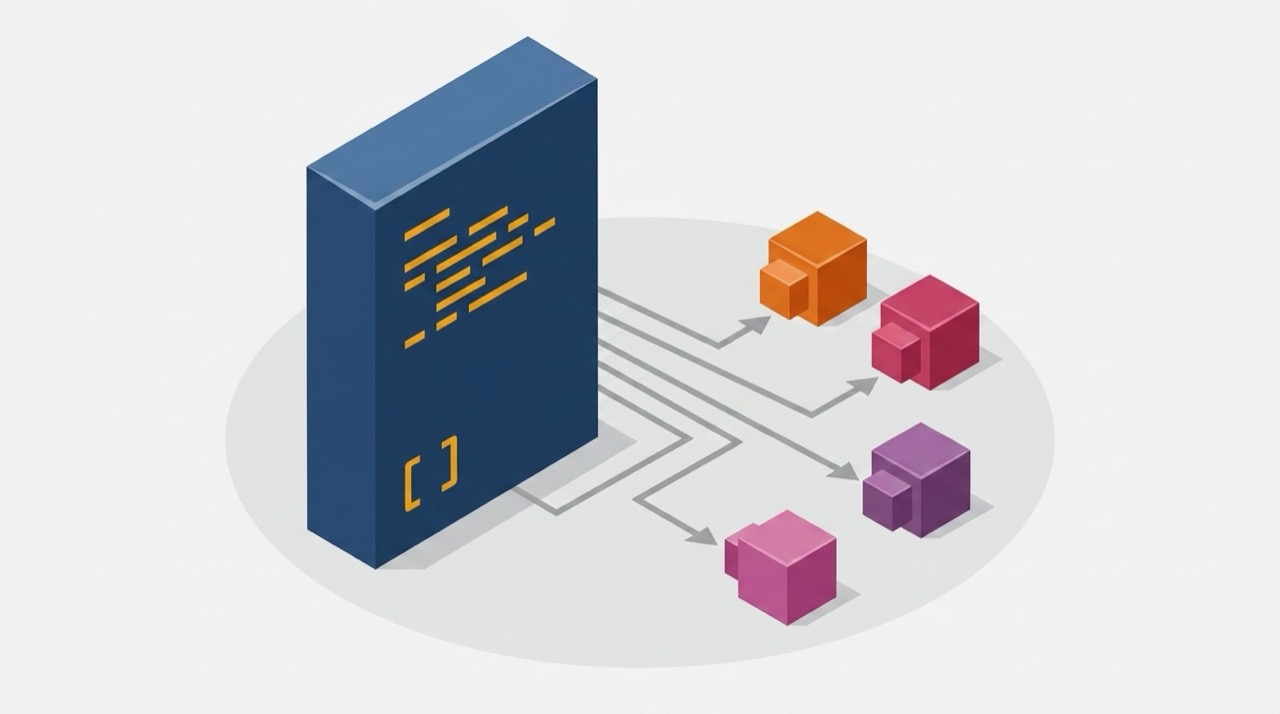
You point it at a spec. A frontier model reasons about what the endpoints do and how they relate. It proposes the resources worth pulling, the parameters that matter, and how pages of results fit together. What comes out the other side is a live, working connection to a system that was never in any catalog.
Reasoning proposes, the engine executes
The part that matters for trust is the boundary. The model reasons about intent. It does not touch your data and it does not run the integration. It produces a plan, and a deterministic engine executes that plan the same way every time.
That separation is the whole architecture, not a detail. It means a connection is reproducible and auditable, and it means raw data never leaves the platform to reach a model. We go deeper on that boundary on the security page.
What this unlocks
The long tail stops being a roadmap problem. The systems that used to require a custom integration project, the ones unique to one industry or one company, are reachable the moment they expose a spec. Over twenty thousand APIs become connectable without anyone hand-coding a connector for each one.
For the team building Nexadata, it also changed what we say yes to. “Can it connect to X” stopped being a question about our catalog and became a question about whether X documents itself. Usually, it does.
More on the platform that runs this on the platform page.